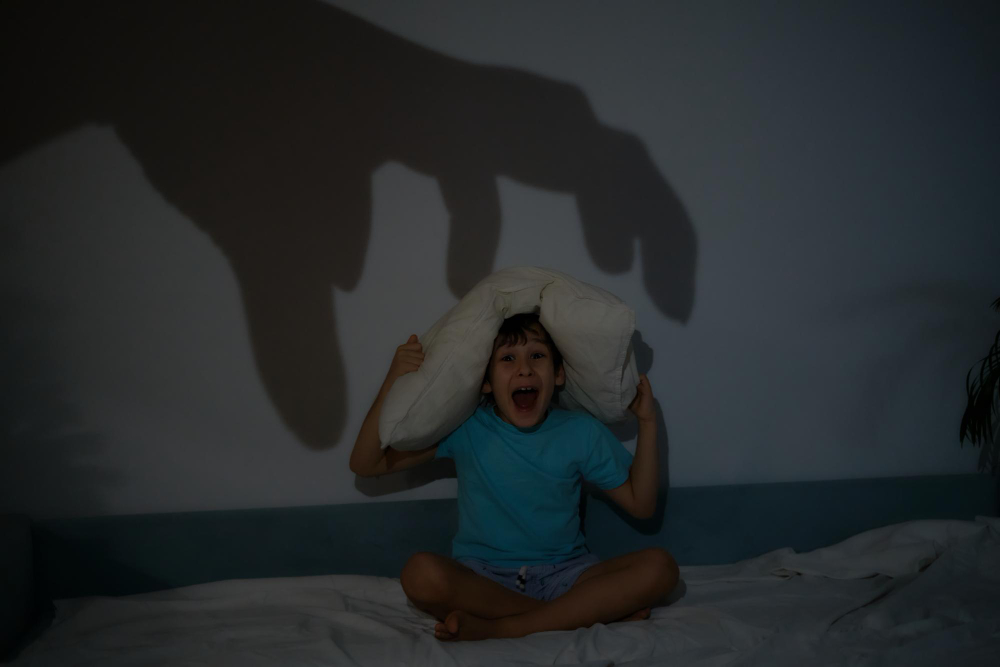
Introduction: What Are Night Terrors and Nightmares?
Many parents worry when their child wakes up scared at night. Night terrors and nightmares are both common sleep problems in children. However, they are not the same. Night terrors in children often happen during deep sleep. Nightmares usually occur during lighter sleep. Understanding the difference between night terrors and nightmares can help you support your child better. Both can be upsetting, but they need different care. In this blog, we will explain the symptoms, causes, and management of night terrors vs. nightmares.
Symptoms: How to Recognize Night Terrors and Nightmares
It is important to know the signs of each. This helps you respond in the right way. Here are the main symptoms:
Sometimes, children may cry or call out during both. But, with night terrors, it is harder to wake or comfort them.
Causes: Why Do Night Terrors and Nightmares Happen?
Several factors can lead to night terrors or nightmares in children. Knowing these can help you prevent them. Here are some common causes:
Although both can be linked to stress, night terrors are more about sleep patterns. Nightmares are often linked to what your child thinks or feels.
Diagnosis: How Doctors Tell the Difference
Doctors use your child’s history and symptoms to tell the difference between night terrors and nightmares. Usually, they ask about:
Sometimes, doctors may suggest a sleep study if the events are severe or unusual. However, most cases do not need special tests. According to the CDC and pediatric experts, careful observation is often enough.
Treatment: How to Help a Child with Night Terrors or Nightmares
Most children outgrow these sleep problems. Even so, there are ways to help. Here are some tips for managing night terrors in children and nightmares:
In rare cases, a doctor may suggest medicine or therapy. However, this is only if the events are very frequent or severe.
Prevention: Tips to Reduce Night Terrors and Nightmares
There are steps you can take to lower the chances of these sleep problems. For example:
With these steps, many children have fewer night terrors and nightmares.
When to Seek Help: Warning Signs for Parents
Most night terrors and nightmares are not dangerous. Still, you should talk to a doctor if:
Early help can make a big difference. Pediatricians can offer advice or refer you to a sleep specialist if needed.
Conclusion
Night terrors and nightmares in children can be scary for both kids and parents. However, knowing the difference between night terrors and nightmares helps you respond with care. Most children outgrow these sleep problems. If your child experiences frequent night terrors or nightmares, consult a pediatrician for personalized advice.