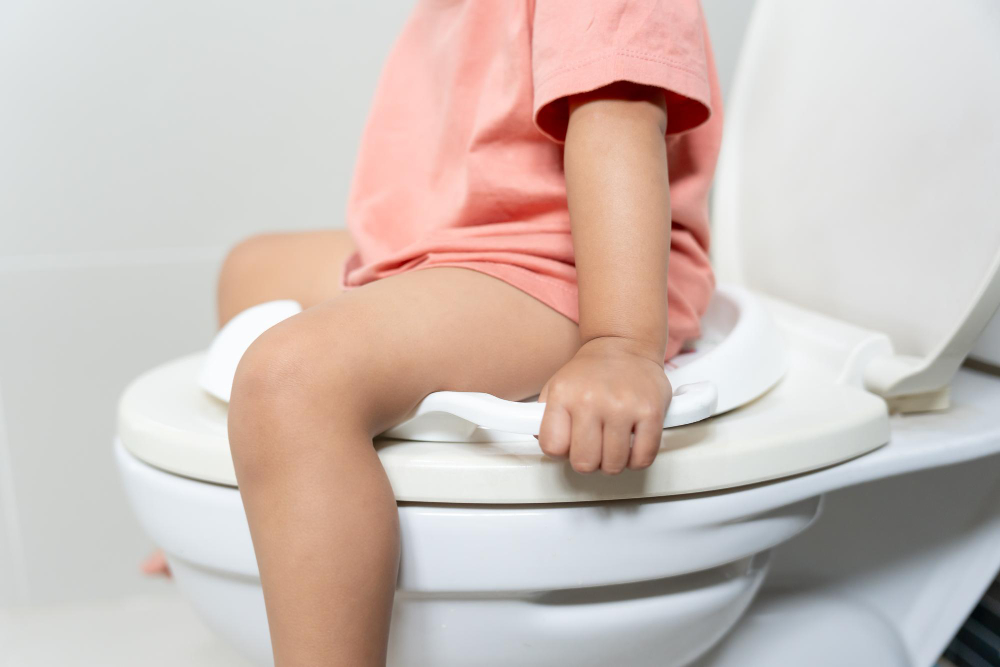
What Is Diarrhea in Children?
Diarrhea in children means your child has frequent, loose, or watery stools. Usually, this condition lasts a few days. However, sometimes it can last longer. Diarrhea in children is common and can affect kids of any age. According to the World Health Organization (WHO), diarrhea is a leading cause of illness in children worldwide. Because it can lead to dehydration, it is important to watch your child closely.
Common Symptoms of Diarrhea in Children
Children with diarrhea may show several signs. Early recognition helps in quick care. Look for these symptoms:
Sometimes, children may also seem tired or fussy. If you notice blood in the stool or your child seems very weak, seek help right away.
Main Causes of Diarrhea in Children
Many things can cause diarrhea in children. Most often, infections are the reason. Here are the main causes:
Because causes vary, knowing the reason helps guide treatment.
How Diarrhea in Children Is Diagnosed
Doctors use several steps to diagnose pediatric diarrhea. First, they ask about your child’s symptoms and recent activities. For example, they may ask about travel, food, or sick contacts. Next, a physical exam checks for signs of dehydration or illness. Sometimes, tests are needed. These may include:
Usually, most cases do not need many tests. However, if symptoms are severe or last long, more checks may be needed.
Effective Treatment Options for Diarrhea in Children
Treating diarrhea in children focuses on preventing dehydration. Most children get better with simple care at home. Here are common treatment steps:
In some cases, your doctor may suggest special treatments. For example, antibiotics are used only if a bacterial infection is found. Never give anti-diarrheal medicines to children unless your doctor says it is safe.
Home Care and Lifestyle Guidance
Managing diarrhea at home is important. Here are some tips for parents and caregivers:
Because children can get tired easily, allow them to rest and recover. If your child refuses food, offer bland items like rice, bananas, or toast.
Prevention Tips for Diarrhea in Children
Preventing diarrhea in kids is possible with good habits. Try these steps:
Because prevention is easier than treatment, these habits help keep your child healthy.
When to Seek Medical Help
Sometimes, diarrhea in children can become serious. Seek medical help if your child:
Because quick care can prevent problems, do not wait if you are worried.
Conclusion
Diarrhea in children is common but can be managed with the right care. Early treatment and good hygiene help most children recover quickly. However, always watch for signs of dehydration or severe illness. Consult a pediatrician for personalized advice if your child has diarrhea.