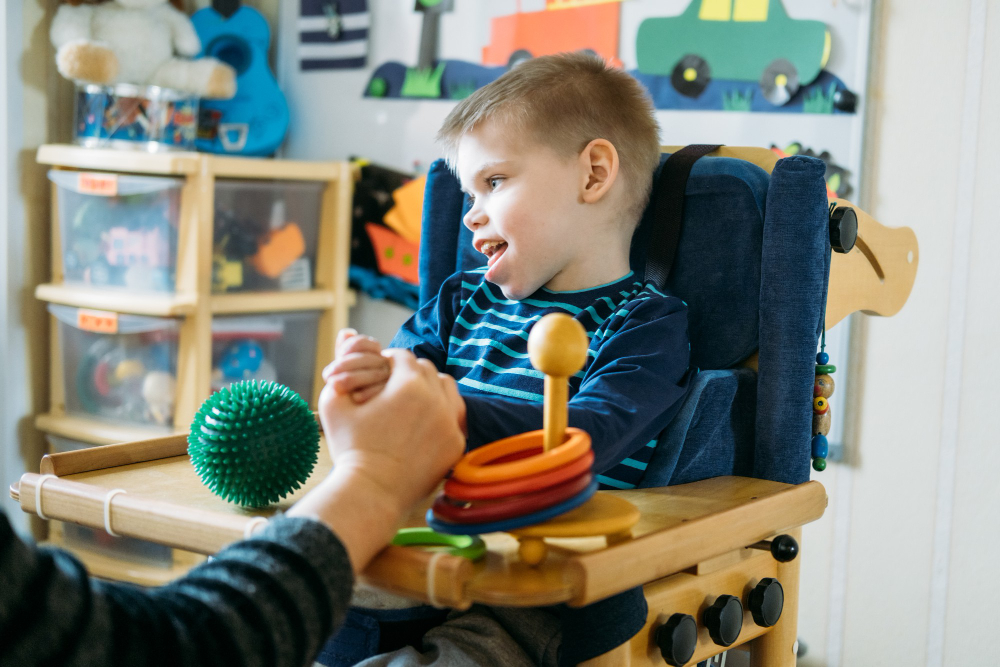
What Is Cerebral Palsy in Children?
Cerebral palsy is a group of conditions that affect movement and muscle control. It often starts before or during birth. Children with cerebral palsy may have trouble walking, sitting, or using their hands. Sometimes, they may also have speech or learning problems. Although cerebral palsy does not get worse over time, its effects can change as a child grows. According to the CDC, cerebral palsy is the most common motor disability in childhood.
What Is Occupational Therapy (OT)?
Occupational therapy, or OT, helps people do everyday tasks. For children, OT focuses on skills like dressing, eating, and playing. Occupational therapists use special activities to help kids become more independent. In fact, OT is a key part of care for children with cerebral palsy. It can make daily life easier and more enjoyable for them.
How OT Helps Children with Cerebral Palsy
Occupational therapy for cerebral palsy in children offers many benefits. First, it helps children build strength and coordination. Next, it teaches them ways to do daily tasks more easily. OT also boosts confidence and social skills. Here are some main goals of pediatric OT for cerebral palsy:
With regular OT, many children can reach their full potential. According to the American Occupational Therapy Association, early therapy leads to better results.
Common OT Approaches and Techniques for Cerebral Palsy
Occupational therapists use many methods to help kids with cerebral palsy. Some common OT approaches include:
Because every child is different, therapists create a plan that fits each child’s needs.
What to Expect During OT Sessions
During the first visit, the therapist will assess your child’s abilities. They may ask your child to do simple tasks, like stacking blocks or drawing. After that, they set goals and plan activities. Each session usually lasts 30 to 60 minutes. Sessions may include:
Therapists often work with parents and teachers. This teamwork helps your child make progress in all areas of life.
Tips for Parents to Support OT at Home
Parents play a big role in their child’s progress. Here are some ways you can help:
Even small changes at home can make a big difference over time.
Frequently Asked Questions (FAQs)
How often should my child have OT sessions?
It depends on your child’s needs. Some children go once a week, while others may need more or less. Your therapist will suggest the best plan.
Can OT help with school skills?
Yes, occupational therapy can support writing, using scissors, and other school tasks. Therapists often work with teachers to help your child succeed in class.
Is OT covered by insurance?
Many health plans cover pediatric OT. However, it’s best to check with your provider to understand your benefits.
When should my child start OT?
Early intervention is best. Starting OT as soon as possible can lead to better results. If you notice delays, talk to your doctor or therapist right away.
Prevention and Early Intervention
While not all cases of cerebral palsy can be prevented, early care can help. Good prenatal care and safe delivery lower the risk. If your child shows signs of delay, early OT can make a big difference. The CDC and WHO both recommend early screening and therapy for children at risk.
Conclusion
Occupational therapy for cerebral palsy in children helps them gain skills and confidence. With the right support, many children can enjoy greater independence. For the best results, work closely with your child’s therapist and practice skills at home. Consult a pediatric occupational therapist for personalized advice and support.