Introduction
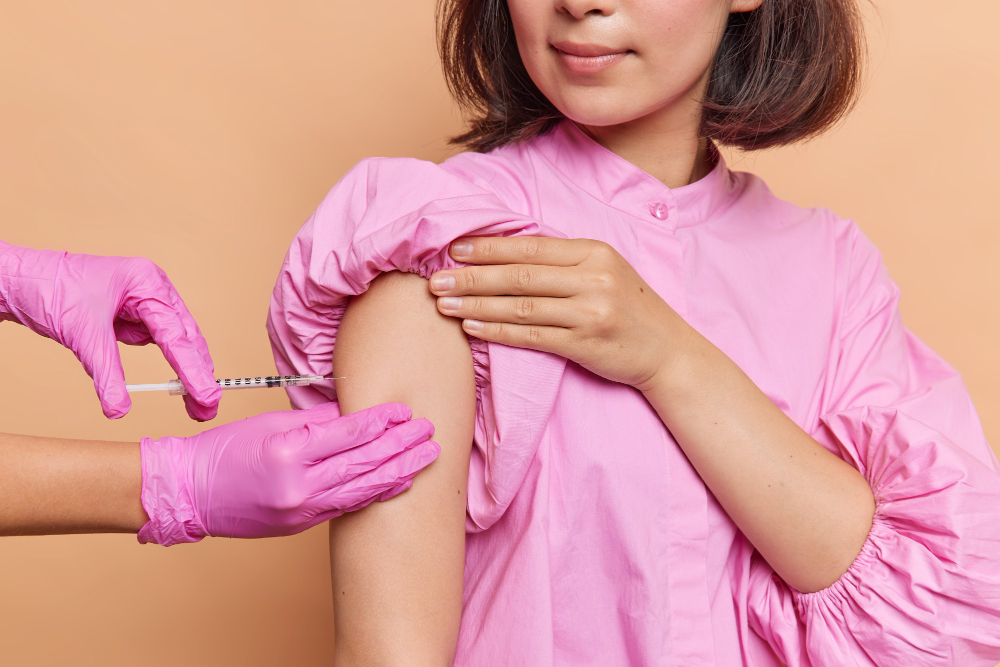
Cervical cancer is a serious health concern for women worldwide. Early awareness and prevention can save lives. The HPV vaccine is a key tool in preventing cervical cancer. In this blog, we will explain why the HPV vaccine is important and how it helps protect you and your loved ones. Understanding cervical cancer awareness is the first step toward a healthier future.
What is Cervical Cancer?
Cervical cancer starts in the cells of the cervix, which is the lower part of the uterus. This type of cancer grows slowly. However, if not found early, it can become life-threatening. Regular screening and vaccination can help prevent most cases. According to the World Health Organization (WHO), cervical cancer is one of the most common cancers in women.
What is HPV and How Does It Cause Cervical Cancer?
HPV stands for human papillomavirus. It is a common virus that spreads through skin-to-skin contact, often during sexual activity. There are many types of HPV. Some types can cause warts, while others can lead to cancer. In fact, almost all cases of cervical cancer are linked to certain types of HPV. When the virus stays in the body for a long time, it can cause changes in the cervix. Over time, these changes may turn into cancer. Because HPV is so common, most people will get it at some point. But, not everyone will develop cancer.
Why Is the HPV Vaccine Important?
The HPV vaccine protects against the types of HPV that most often cause cervical cancer. Getting vaccinated can greatly lower your risk. Here are some key benefits of the HPV vaccine:
Because of these benefits, health experts like the CDC and WHO recommend the HPV vaccine for children and young adults. Preventing cervical cancer is easier than treating it. Therefore, vaccination is a smart choice for long-term health.
Who Should Get the HPV Vaccine and When?
The HPV vaccine is most effective when given at a young age. In most countries, it is recommended for:
Some adults aged 27 to 45 may also benefit, but they should talk to their doctor. The vaccine is given in two or three doses, depending on age. In the United States, the CDC recommends starting the HPV vaccination for children at age 11 or 12. However, it can be started as early as age 9. Check your local guidelines for specific advice.
Common Myths and Facts About the HPV Vaccine
There are many myths about the HPV vaccine. Let’s clear up some common misunderstandings:
Because of these facts, experts agree that HPV vaccination for children and teens is a safe way to prevent cervical cancer.
Prevention Tips and Lifestyle Guidance
Besides getting the HPV vaccine, there are other ways to lower your risk of cervical cancer:
When you combine these steps with HPV vaccination, you greatly reduce your risk of cervical cancer.
Conclusion
In summary, cervical cancer awareness is vital for everyone. The HPV vaccine is a safe and powerful way to prevent cervical cancer. Early vaccination offers the best protection. Talk to your doctor or pediatrician about HPV vaccination for your child or yourself. Protect your health and take action today.
Consult your pediatrician or healthcare provider for personalized advice on HPV vaccination.